

The allure of risk understanding the psychology behind gambling
The Psychological Appeal of Gambling
The appeal of gambling is deeply rooted in human psychology. For many, the thrill of risk and the possibility of winning become significant motivators. This is partly due to the dopamine release that occurs when one engages in risky activities, creating feelings of excitement and pleasure. Each bet made can lead to a rush that many find irresistible, reinforcing the cycle of risk-taking and reward-seeking behavior. Additionally, exploring platforms like shotz-nz.org reveals exciting options for players looking to dive into this world.
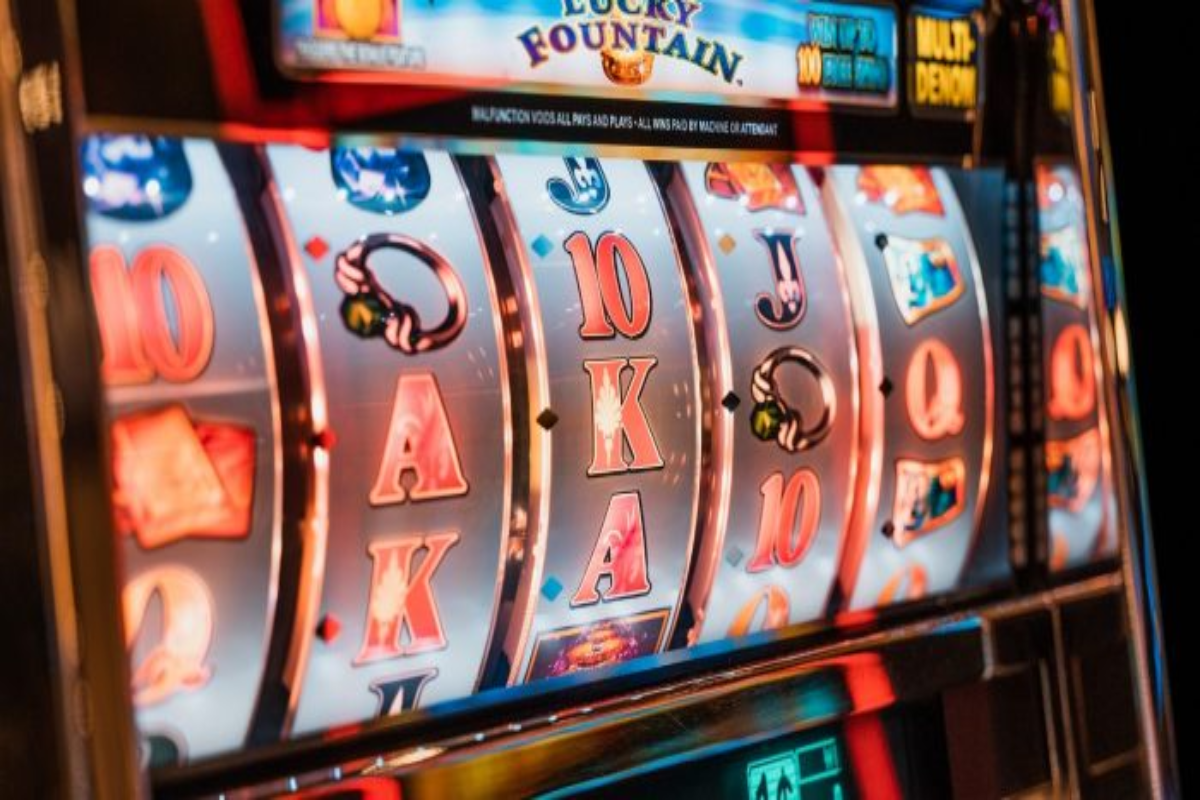
Moreover, gambling often provides an escape from reality. In a world filled with responsibilities and stress, the allure of stepping into a game where fortunes can change in an instant is enticing. Gamblers can immerse themselves in a different reality, where they control their fate, however fleeting that control may be. This psychological refuge is a substantial factor in why people return to gambling, even when the outcomes aren’t favorable.
The social aspect of gambling further enhances its allure. Whether in physical casinos or online platforms, the communal experience of sharing wins and losses fosters a sense of belonging among participants. This social interaction can amplify the thrill, making the experience even more engaging. People often seek out the camaraderie found in gaming environments, which adds another layer to the appeal of gambling.
The Role of Cognitive Biases
Cognitive biases significantly influence gambling behaviors and perceptions. One prevalent bias is the illusion of control, where individuals believe they can influence the outcome of a game of chance. This can lead to overconfidence and a tendency to take risks that may not align with rational decision-making. Gamblers often convince themselves that skill plays a larger role in their success than it truly does, which can perpetuate a cycle of betting.
Another cognitive bias is the gambler’s fallacy, where individuals believe that past outcomes can influence future events in random games. For example, a player may think that after several losses, a win is «due.» This misconception can lead to increased betting, as individuals chase perceived lucky streaks. Understanding these biases is crucial in grasping why people gamble despite the odds often being stacked against them.
These cognitive distortions can be particularly potent in the context of online gambling, where instant gratification and the constant availability of games can exacerbate these tendencies. The fast-paced nature of online platforms can amplify the effects of these biases, leading to impulsive decisions. Players may find themselves drawn into a whirlwind of betting that is challenging to escape, even when they recognize the negative impacts on their lives.
The Influence of Environment and Design
The environment in which gambling takes place can significantly influence behavior. Physical casinos are designed to evoke excitement, with bright lights, engaging sounds, and an overall atmosphere of indulgence. These elements create a sensory overload that stimulates the desire to play, often leading patrons to stay longer and spend more money. The layout of the casino, designed for convenience, encourages movement from one game to another, minimizing the chances of taking a break.
Online casinos take a similar approach but leverage technology to enhance user experience. Colorful graphics, engaging themes, and interactive elements contribute to an addictive atmosphere. Players are often subjected to various promotional tactics, such as bonuses and free spins, which can create a sense of urgency and compel them to continue playing. The accessibility of online gambling, combined with these enticing designs, makes it easier for individuals to lose track of time and money.
Additionally, the use of personalized algorithms to recommend games or strategies can further engage players. These tailored experiences capitalize on users’ preferences, creating a more immersive experience. As individuals become more entrenched in these environments, the distinction between entertainment and risk can blur, further enhancing the allure of gambling.
The Impact of Emotion and Decision-Making
Emotions play a pivotal role in decision-making processes, particularly in the context of gambling. Players often experience highs and lows, which can significantly impact their betting behavior. Winning can lead to feelings of euphoria and invincibility, prompting individuals to place larger bets in hopes of maintaining that winning streak. Conversely, losing can elicit frustration and desperation, leading players to chase losses with increased bets, further entrenching them in a potentially harmful cycle.
Emotional triggers, such as stress or boredom, can also lead individuals to gamble as a coping mechanism. In times of distress, the allure of gambling may seem like an escape from reality. Unfortunately, this can create a harmful feedback loop where gambling serves as both a temporary relief and a source of further stress. Recognizing these emotional triggers is essential for understanding why individuals may find themselves drawn back into gambling even after negative experiences.
Moreover, the concept of «near misses» can evoke powerful emotional responses in gamblers. The feeling of almost winning—such as getting close to a jackpot—can be exhilarating and reinforce continued play. This phenomenon taps into psychological concepts of hope and anticipation, as players may believe that they are on the verge of a breakthrough. Such emotions often drive further engagement, even when the odds suggest that continuing may not be wise.

Shotz Casino: A Blend of Excitement and Responsibility
Shotz Casino embodies the thrilling essence of online gambling while promoting responsible play. With an extensive collection of over 2,500 games, including live dealer options and popular pokies, it caters to diverse player preferences. The casino’s user-friendly interface and fast withdrawal processes make for a seamless gaming experience, ensuring that players can enjoy their favorite games without unnecessary complications.
Furthermore, Shotz Casino prioritizes player safety, implementing robust security measures to protect personal and financial information. The emphasis on responsible gaming is evident, with tools and resources available to help players manage their gambling habits effectively. The casino encourages a healthy balance between enjoyment and responsibility, understanding the psychological complexities that accompany gambling behavior.
In conclusion, the allure of gambling is multifaceted, involving psychological, environmental, and emotional factors that draw individuals into its embrace. While platforms like Shotz Casino offer an exciting array of games, they also foster a culture of awareness regarding the potential risks involved. Ultimately, understanding the psychology behind gambling can help players engage with it in a more informed and responsible manner.
